
Nutrition guidance
What a Balanced Diet Looks Like in Botswana
This page is about food, not rules. It covers the plate, produce, salt and eating pace, using markets, budgets and cooking habits you already have.
Five things worth getting right this month
Start anywhere. Each one stands on its own, and none of them needs a new grocery budget.
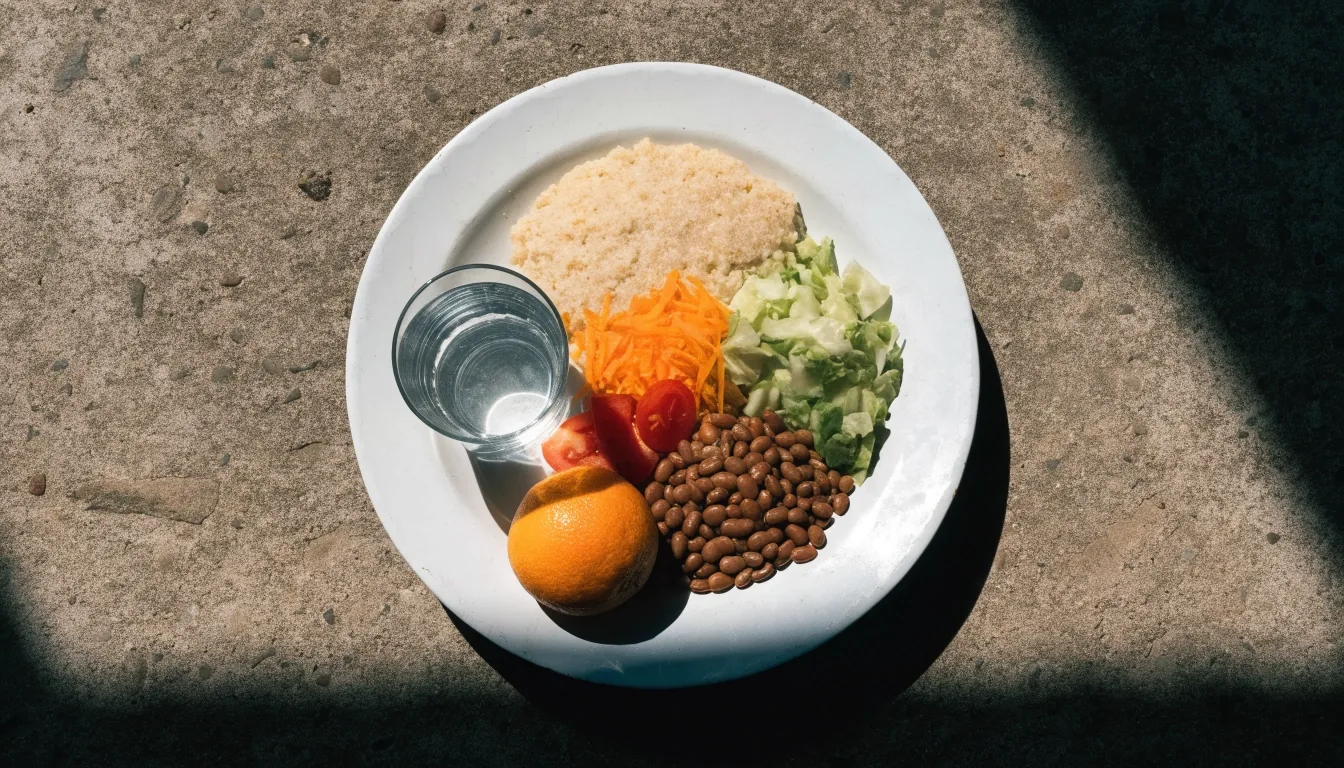
The plate, plainly
Picture your plate in three parts. Vegetables or fruit take the largest share. A staple such as sorghum, maize meal, rice or potatoes fills a smaller section, sized to how active you are. Protein, whether beans, eggs, chicken or tinned fish, takes the rest. Nothing here is exotic or expensive, which is exactly why it holds up on a Tuesday night after a long day.
Largest share
Vegetables or fruit, whichever is in season and affordable that week.
Staple next
Sorghum, maize meal, rice or potatoes, matched to how much you move in a day.
Protein last
Beans, eggs, chicken or tinned fish. Dried beans cost the least per portion.
Fruit and vegetables: the biggest gap
The national picture is stark. WHO-reported surveillance in Botswana found nine in ten adults eat too few fruits and vegetables, and government policy actively promotes better access to healthy food. This is the single highest-value change most adults can make. It is also the one people skip, because fresh produce looks out of reach on a tight month.
Nine in ten adults in Botswana eat less fruit and vegetables than the recommended amount. That gap, not a missing superfood, is what most plates need to close first.
Source: WHO-reported surveillance in Botswana
Buying produce that survives the heat
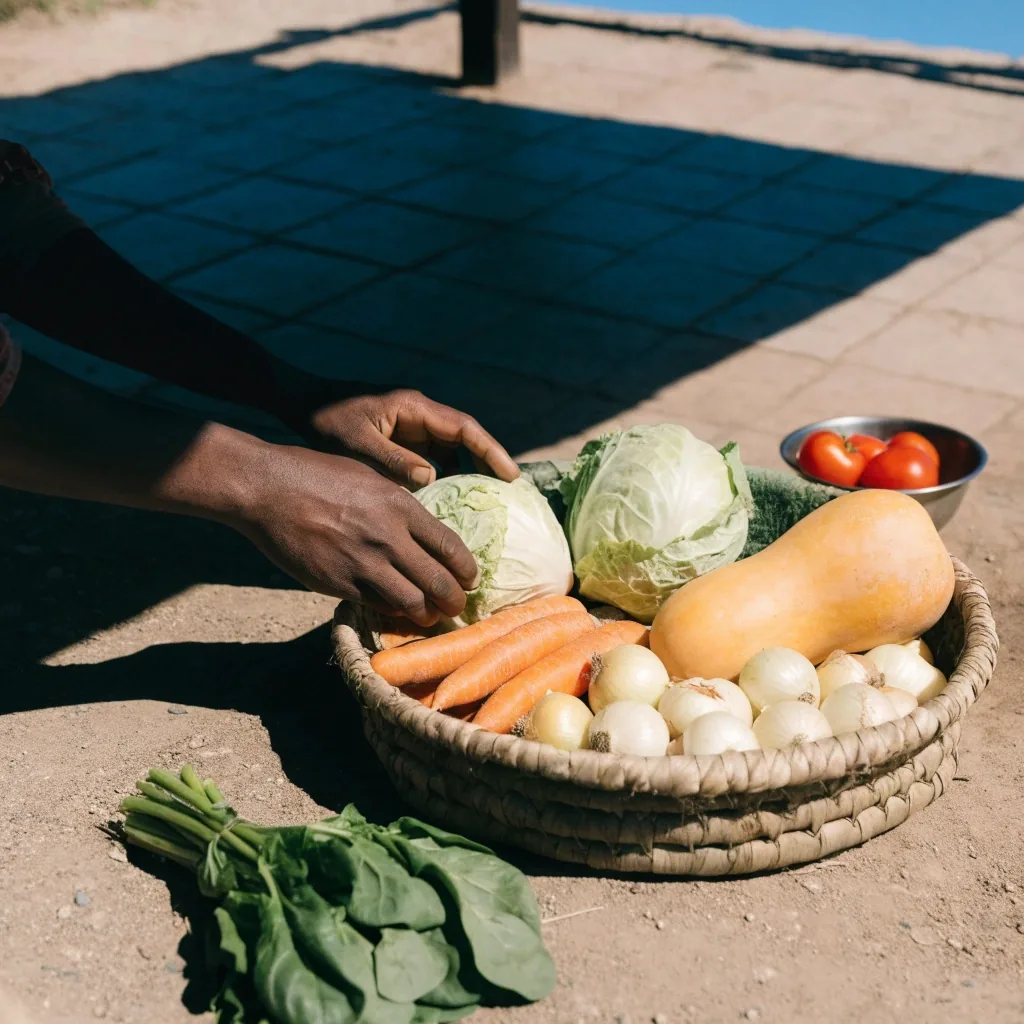
Cabbage, carrots, butternut and onions keep for days without refrigeration. Spinach and tomatoes are best bought in small quantities and used quickly. Tinned tomatoes, frozen mixed vegetables and dried beans are legitimate options, not compromises. If produce rots before you eat it, buying fresh saved nothing.
- Shop twice a week in small amounts instead of once in bulk for leafy greens.
- Keep onions and potatoes apart; together they turn faster.
- Cook tomatoes that are softening into a stew the same day you notice.
Adding produce without changing your whole diet
You do not need a new menu. Add grated carrot or chopped spinach to a stew you already cook. Serve tomato and onion alongside the main dish. Put fruit on the table where it gets eaten instead of in a drawer. These moves add produce to meals that already exist, which is why they last past the first week.
The same logic works for beans. Soaking dried beans overnight costs a few minutes and turns a small bag into several meals. Cook a large pot once, then add a ladle to whatever you are already making.
A sample day, adapted to local food
Breakfast
Sorghum porridge with milk and a banana.
Lunch
Rice or maize meal with chicken, cabbage and tomato.
Snack
An orange, or a handful of peanuts.
Dinner
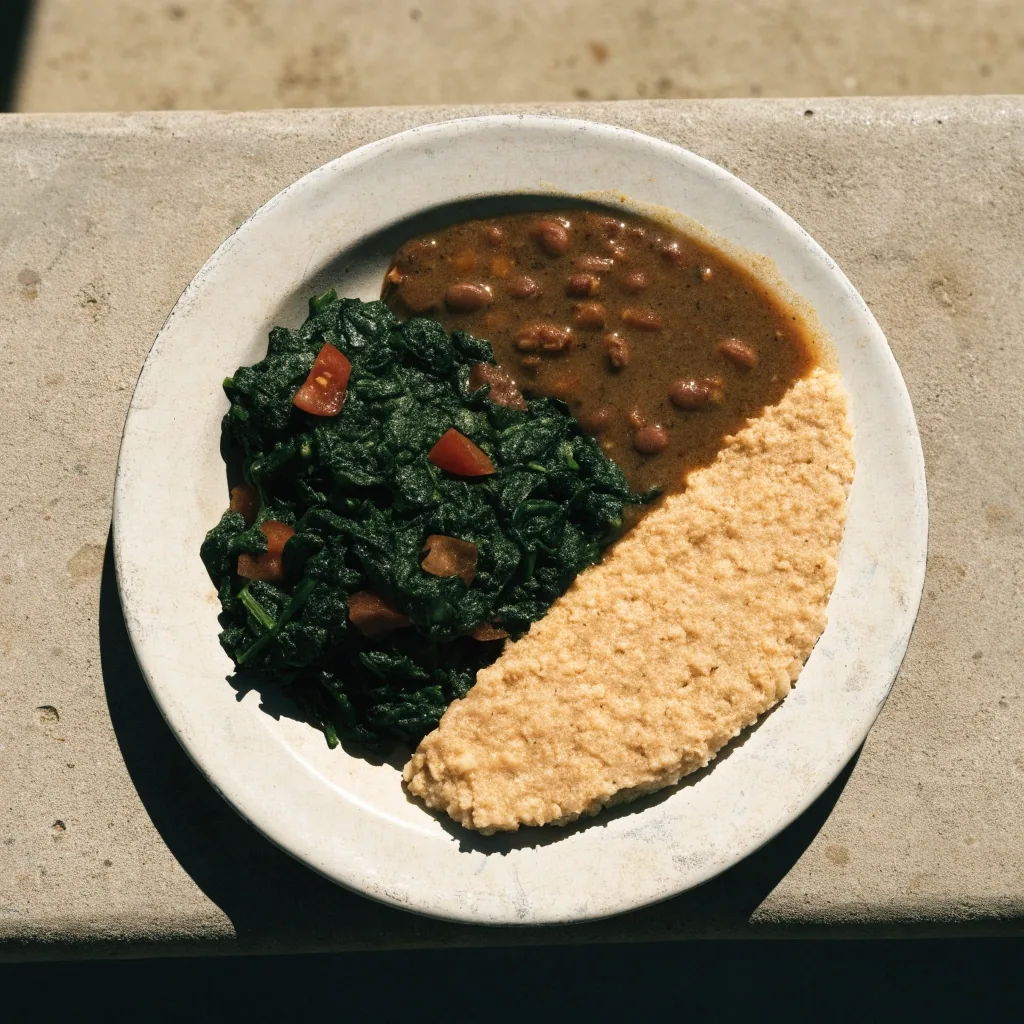
Bean stew with spinach and a small portion of pap.
Drinks
Water with every meal, and between them.
Nothing on that list is imported, expensive or difficult to cook. Treat it as one example, not a script to follow word for word.
Salt: the clearest target in the data
Average salt intake in Botswana runs close to double the recommended maximum. Most of it hides in stock cubes, seasoning mixes, processed meats, bread and snacks rather than in the salt shaker. Read labels for sodium, and cut back gradually rather than all at once. Taste buds recalibrate within a few weeks, which is why a slow cut sticks where a sudden one does not.
Flavour without the salt shaker
Garlic, ginger, lemon juice, chilli, black pepper, curry powder and fresh herbs do the work salt was doing. Slow-cooked onions add sweetness and depth to almost any stew. A squeeze of lemon at the end lifts vegetables further than extra salt would.
After about a month of cooking this way, heavily salted food starts to taste wrong. That shift is the whole point.
Sugar, portions and eating pace
Three quieter changes. None of them asks you to weigh food or give up a whole category.
We are not going to tell you to eliminate everything packaged. That advice fails. Instead, notice where sugar and refined starch quietly replace real food: sweetened drinks, white bread as the default, biscuits with tea. Swap one of those per day. Sweetened drinks are the easiest first cut because they add nothing and you will not miss them after a week.
Start with drinks
Portion size drifts upward quietly, especially with staples. A useful check: your starch portion should fit in one cupped hand, protein in a palm, and vegetables should take up more space than both. Serving from the pot onto plates, rather than eating family-style from a shared dish, also helps. No scales required.
Hand, palm, plate
Eating fast, standing up, or in front of a screen makes it hard to notice fullness. Put the phone down. Sit. Chew properly. Meals eaten slowly tend to end earlier and with less discomfort. This is not about discipline; it is about giving your body the twenty minutes it needs to register that you have eaten.
Twenty minutes
What to change first
Stacking changes in this order gives you the biggest benefit before motivation runs out. Add the food you are short of, then remove what adds nothing, then work on taste.
-
First
Add vegetables or fruit to two meals a day. Any vegetable, any fruit, in whatever form is cheapest that week.
-
Second
Cut sweetened drinks. One less bottle a day is the single easiest subtraction on most shopping lists.
-
Third
Reduce salt. It comes last because taste takes a few weeks to adjust, and rushing it makes meals feel bland enough that people stop.
Water is the cheapest change on this page
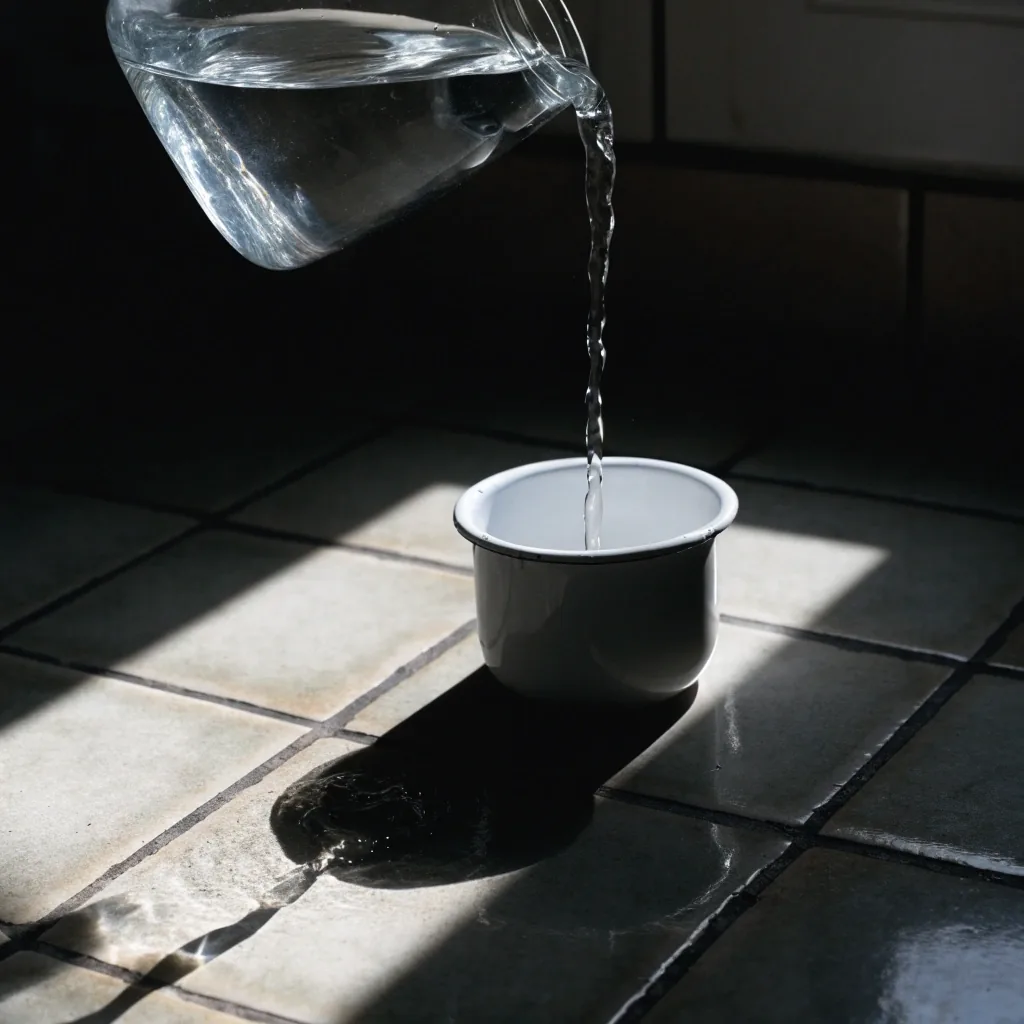
Keep a jug on the counter and a bottle where you work. Water instead of a sweetened drink at two meals is often all it takes to make the rest of this page easier to hold. It also helps with the tired, dragging feeling covered in the fatigue guide.
Questions people ask before they start
Straight answers to the things that usually hold people up in the first fortnight.
Does healthy eating in Botswana cost more?
Usually it costs less, once the wasted produce stops. Cabbage, onions, butternut, dried beans, eggs, tinned fish and maize meal are among the cheapest items in a Botswana shop. The expensive plates are the ones built on processed meat, snack food and sweetened drinks. Tinned and frozen vegetables in particular cost less per usable portion than fresh produce that spoils in the heat.
How quickly does taste adjust to less salt?
Most people notice a difference within a few weeks when the cut is gradual. Take a little out each week rather than stopping at once, and lean on garlic, ginger, lemon, chilli and herbs while you adjust. Stock cubes and seasoning mixes are usually the biggest hidden source, so start there rather than at the salt shaker.
Do I have to give up pap, rice or bread?
No. Staples stay, they just stop taking the whole plate. Size the portion to how much you move in a day and let vegetables take the space they were using. If bread is your default breakfast, try alternating it with sorghum porridge a few mornings a week rather than cutting it out.
Is tinned or frozen produce really as good as fresh?
For everyday cooking, yes. Frozen vegetables are packed soon after picking and keep their quality for months. Tinned tomatoes and dried beans are the backbone of plenty of stews. Fresh is still worth buying for what you will eat in the next day or two; the mistake is buying fresh in bulk and watching half of it go soft.
Where do I start if I only change one thing?
Add one vegetable or fruit to two meals a day, starting with whichever meal you already cook at home. That is the change with the most behind it in the data, and it needs no new shopping list. Once that feels automatic, move on to the sweetened drinks.
Bring your week, and we will look at the plate together
If you want this applied to what you actually cook and buy, bring a normal week of meals to a consultation. We look at the plate, the produce that keeps in your kitchen, and where salt or sugar is quietly creeping in. Nothing here replaces medical care; it is practical guidance about food, built around local markets and budgets.
Where we are
Plot 64516, Unit 3, Fairgrounds Office Park, Gaborone, Botswana
+267 347 8624
Monday to Friday, 8:00 AM – 5:00 PM. Saturday, 9:00 AM – 1:00 PM.