
Holistic Nutrition Flow Holistic Nutrition Flow
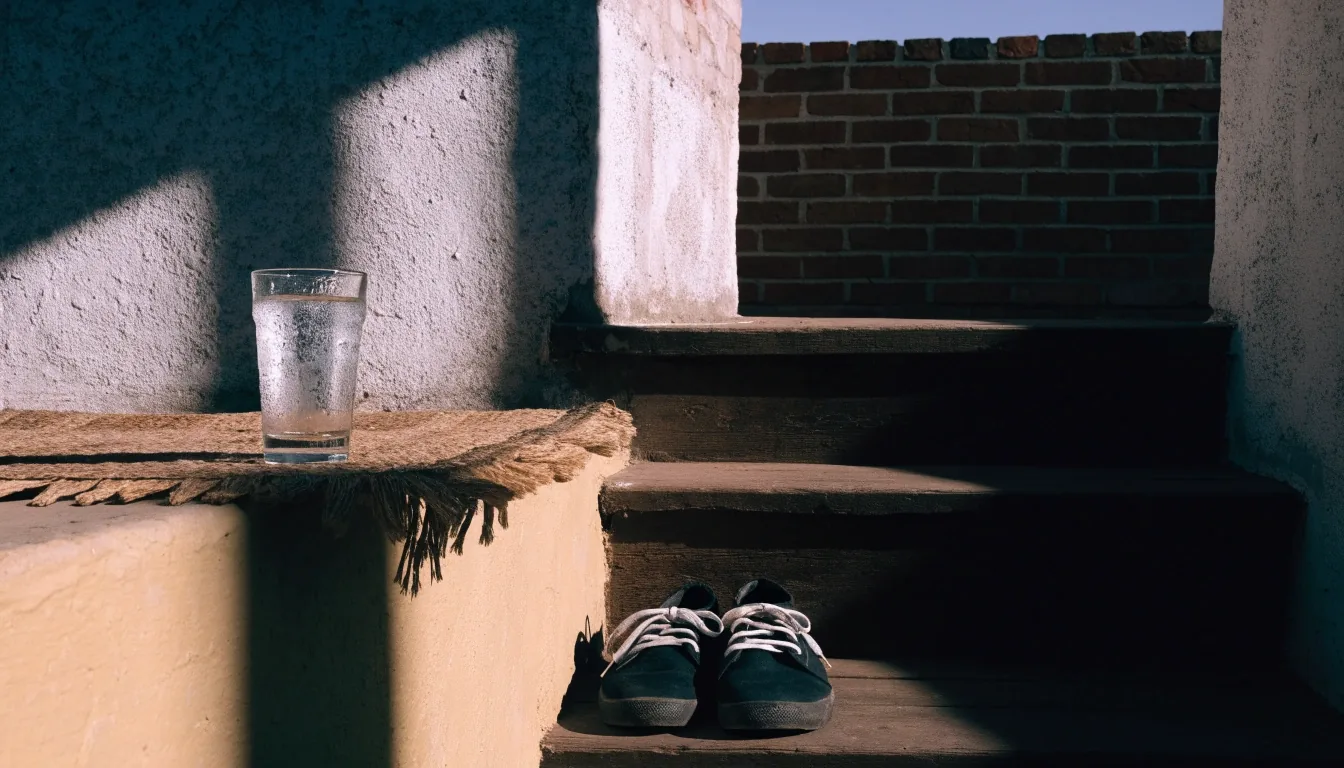
An empty paved walk under a shade tree at midday in Botswana

Gaborone · Longevity & Body Care

Daily Habits That Support Healthy Ageing in Botswana

Longevity advice often sounds like a distant project. In practice it is built from ordinary weeks: what you eat, how much you move, how you handle stress, and how well you sleep.

Six habits that compound

Diet quality

Every day

Strength

2 sessions / week

Movement

Most days

Hydration

With meals

Sun care

Year-round

Sleep

Protected

Most of the risk accumulates slowly, through ordinary choices.

What healthy ageing actually depends on

Most of the risk for heart disease, type 2 diabetes, stroke, and high blood pressure accumulates slowly through diet quality, activity, and stress. That accumulation is what you can influence. Nothing here promises a specific outcome, and anyone who does is selling something. The realistic goal is lowering risk while keeping the life you want.

Botswana's health policy targets these areas because the chronic disease burden is driven by things a person carries into every week — what is on the plate, whether the body is used, and how much of the day sits under sustained pressure. None of that is dramatic. It simply repeats.

Also worth reading

  • Nutrition Guidance

    How to build the plate itself — portions, food groups, and the water chapter.

  • Fatigue & Energy

    When the afternoons collapse, what to check first and what to change.

  • Healthy Sleep

    Room, routine, and light — the recovery half of longevity.

The habits, and what each one actually does

Read this as a working list rather than a regimen. Each row is something you can start this week in Gaborone, with the part of the body it holds up over decades.

Diet quality over decades

Pattern, not meals

Single meals don't determine much. The pattern does. Botswana's own public-health policy links diets high in fa, salt, and sugar to heart disease, some cancers, stroke, osteoporosis, and diabetes. Reversing the balance — more vegetables and fruit, less processed food, less added salt — is the same advice at every age.
Movement as maintenance

2 strength sessions / week

More than half of adults in the survey findings report no leisure-time exercise, with women especially affected. Muscle mass and balance decline without use, and that decline affects independence later. Resistance matters as much as walking: carrying, lifting, climbing. Two sessions a week of any strength activity is a reasonable target for most adults.

Protecting your skin in high sun

All year, not just December

Body care in this climate starts with sun exposure. Botswana's travel-health guidance pairs hydration with sun protection, and that applies year-round, not just at midday in December. Hats, long sleeves, and shade reduce cumulative damage. Check moles that change shape or colour with a professional rather than monitoring them yourself.

Stress, and why it sits in the body

Routine beats relaxation products

Sustained stress affects sleep, blood pressure, appetite, and how you recover from illness. Botswana's health policy encourages wellness weeks in workplaces and schools, which reflects how seriously chronic stress is taken. Practical reductions come from routine and boundaries more than from relaxation products: protected sleep, regular movement, and time not spent working.

Hydration and your joints, skin, and kidneys

Dark urine means behind

Dehydration in a hot, dry climate affects more than energy. It shows up in skin, digestion, and kidney workload over time. Keeping water visible and drinking with meals is the simplest habit that supports all of it. If your urine is consistently dark, you're behind.

Check-ups and knowing your numbers

Book the appointment

You can't manage what you don't measure. Blood pressure, blood glucose, and weight tracked at routine check-ups give you a real picture rather than a guess. National policy focuses on chronic disease prevention precisely because early detection changes outcomes. It's the least fashionable and most useful habit on this page.

Fatigue is information

Tired every afternoon is a signal, not a personality trait.

Persistent fatigue in a hot climate usually has a plain cause underneath it: skipped meals, low water intake, poor sleep, or untreated stress. Work through the ordinary explanations before reaching for supplements — the fatigue and energy chapter walks through what to check, in order, and when to take it to a clinician.

Open the fatigue guide

A week that holds up over decades

Nine small habits that fit around a working week in Botswana, with one shared plate at the centre of it. Nothing here needs equipment, a subscription, or a special shop.

Vegetables at two meals

Whatever is in season at the market, cooked the way your household already cooks it.

Water within reach

A bottle on the desk does more than a reminder on a phone you keep face-down.

Meals at steady hours

Skipping breakfast and eating late both show up in energy and in sleep quality.

A daily walk

Early morning or after the heat drops. Shade and shoulders covered if the sun is high.

Two strength sessions

Carrying, lifting, climbing, or a short bodyweight routine at home — anything that loads the muscle.

Hat and long sleeves

The cheapest body care there is. Protection applies on cloudy days too.

Fewer late stimulants

Tea and coffee after mid-afternoon follow you into the night and shorten sleep.

A protected bedtime

Same hour most nights, dark and cool room, no work in the last hour before it.

A yearly check-up

Blood pressure, glucose, and weight — the numbers that tell you whether the rest of this list is working.

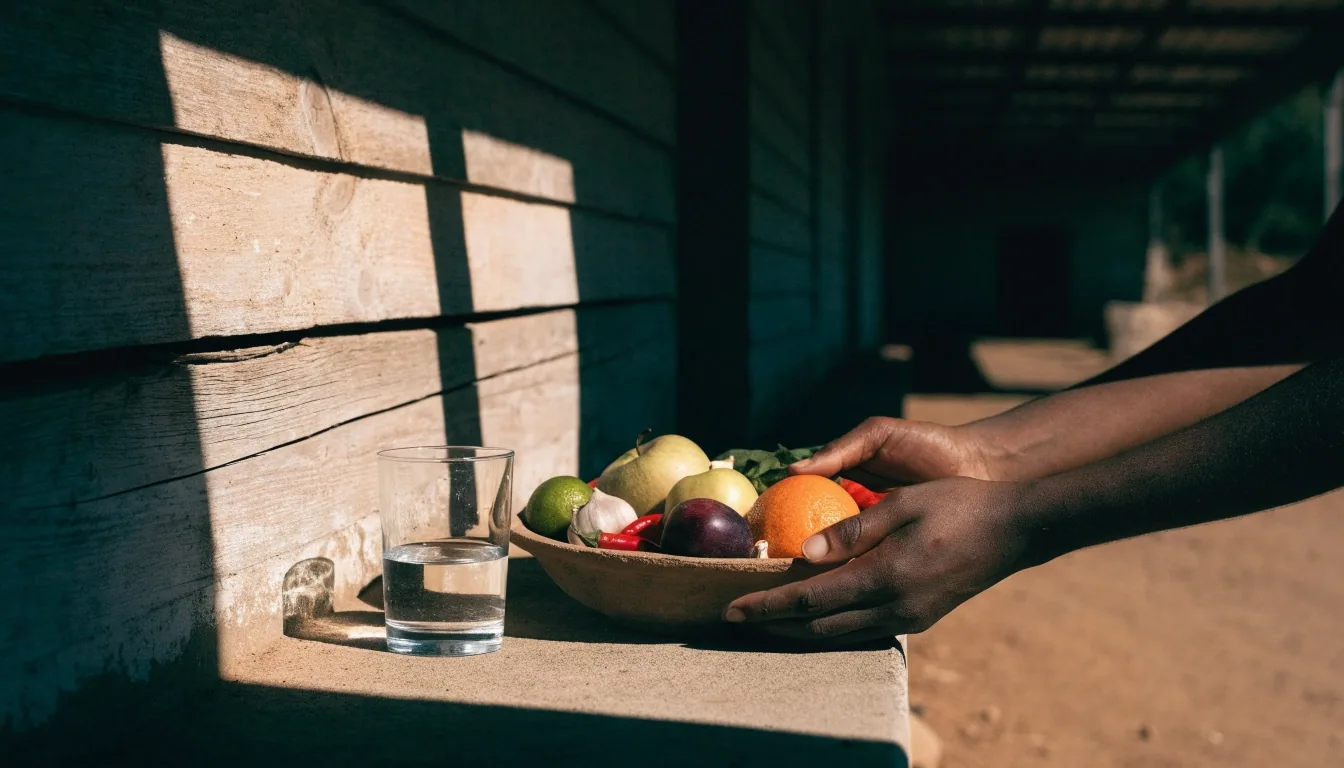
A plain plate of vegetables and fruit with a glass of water on a household table
Everything above is built around meals like this one.

What to ignore

Skip anything that promises rapid transformation, "detoxes," or that claims to reverse disease through diet alone. Those claims don't survive contact with evidence, and they're often expensive. Realistic longevity habits are boring, cheap, and repeatable, which is why they work and why nobody markets them.

Questions we hear about healthy ageing

Can diet alone hold off chronic disease?

No single habit carries that load. Diet quality, movement, stress, sleep, and routine check-ups each contribute, and none of them replaces medical care. If you have a diagnosed condition, changes belong alongside your clinician's plan, not instead of it.

How long before daily habits matter?

Some effects show up in weeks: steadier energy, better sleep, less afternoon collapse. The chronic-disease side is a decades-long picture, which is exactly why starting earlier is easier than catching up later. Nothing here promises a specific timeline, and nobody honest can give you one.

Do I need supplements for longevity?

Food first is the honest answer for most adults. Supplements have a place when a specific gap is identified — after a blood test or a clinician's review — not as a general longevity strategy. Anyone selling a shelf of bottles usually knows that.

Is strength training safe at 60 or 70?

For most older adults, loaded movement is one of the more useful things you can keep doing — it is the reason balance and independence hold longer. Start lighter than you think, get form checked once, and build slowly. If you have a heart or joint condition, clear it with your clinician first.

What should I change first?

Water and sleep, usually. Both are cheap, both affect how the rest of the week feels, and both make the harder changes easier to hold. Once those two are steady, add the walk and then the strength sessions.

Start with one habit you can repeat next week.

Bring your questions about healthy ageing, body care, or energy to a conversation. We'll look at what your ordinary weeks already support and where the gaps sit.

Ask about healthy ageing

Where we are

Plot 64516, Unit 3, Fairgrounds Office Park, Gaborone, Botswana

Monday to Friday, 8:00 AM – 5:00 PM · Saturday, 9:00 AM – 1:00 PM

This page covers general nutrition and lifestyle guidance for adults in Botswana. It does not replace a consultation with your own clinician, and it makes no claim to treat or prevent any condition.